
Discover science-driven skin care treatments in Oakbrook that support brighter skin.
Mar 4, 2026
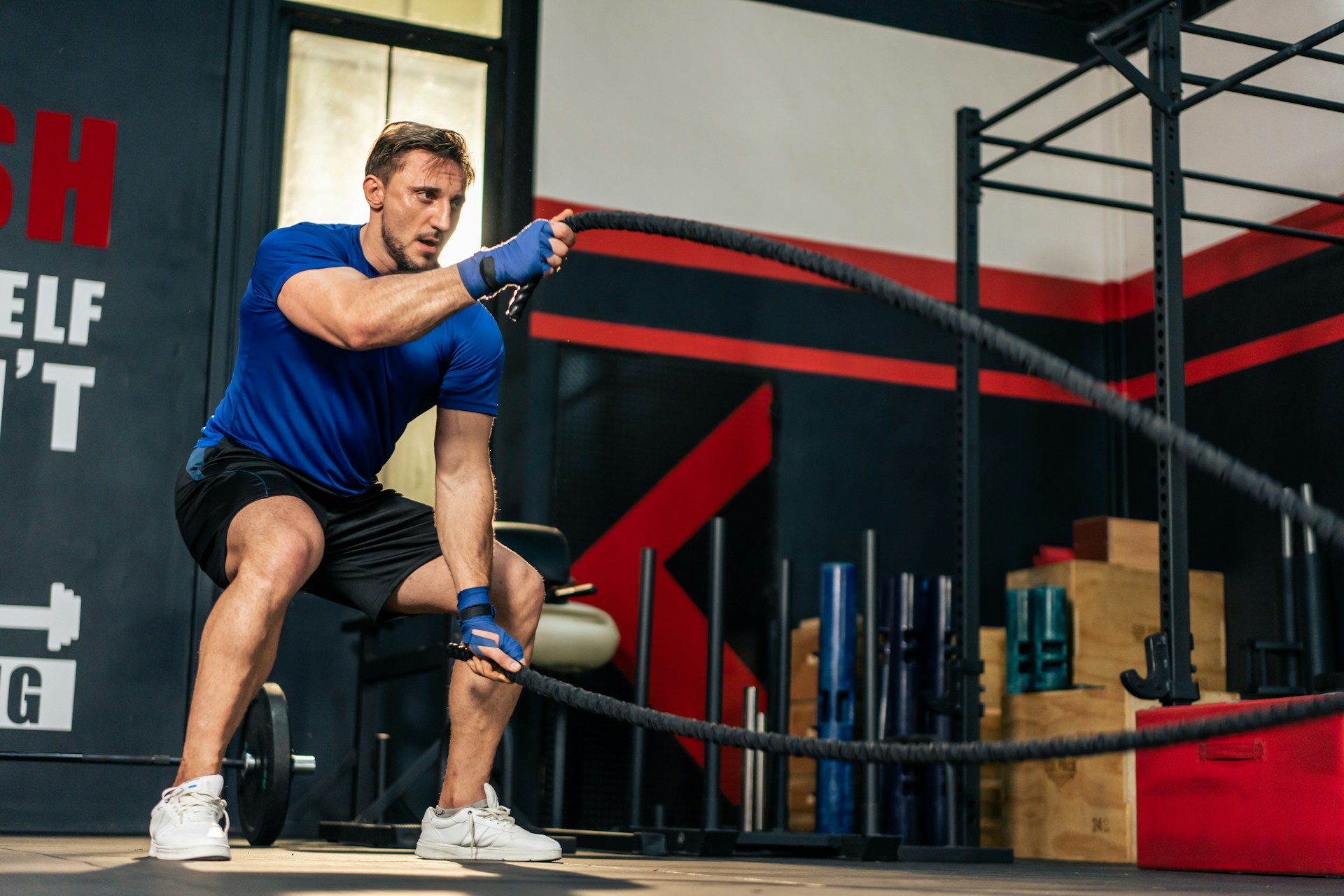
Hard training should leave you strong, not constantly sore or drained. If intense workouts leave you tight, inflamed, or stuck, the issue is likely recovery. Muscle growth, leanness, and strength happen after your workout as your body repairs. Rushed or ignored recovery negates even the best training plan.
Many high performers unintentionally hinder progress with common recovery mistakes. We will show you simple daily rituals and thoughtful support to boost post-workout recovery, working with your body. At Live Supreme, we see the power of smart training paired with smart recovery in a calm, spa-like setting.
The culture of “no days off” feels motivating, especially as warmer weather approaches. But constant high-intensity training stacked on a demanding work schedule often leads to plateaus, not breakthroughs.
A workout is controlled stress. You create small damage in muscle and connective tissue, shift hormones, and challenge your nervous system. Progress happens when you give your body:
Time to repair
Nutrients to rebuild
Space for the nervous system to calm down
When that balance is off, the signs can be subtle:
Soreness that lingers for days
Trouble falling or staying asleep
Irritability or low patience
Afternoon energy crashes
Stalled strength or body composition changes
These signals usually mean under-recovery, not lack of effort. Training harder on top of that stress is like pushing the gas and the brakes at the same time.
Even health-conscious people fall into the same patterns. A few small shifts can change everything.
Many people leave a workout and sprint straight into meetings or errands. They delay eating for hours, sip coffee instead of water, and stay in “go mode” all day. This can:
Slow muscle repair
Keep inflammation higher
Make you feel wired, then crashed
Late-night emails, streaming, or scrolling can cut into deep sleep cycles that support tissue repair and growth hormone release. When sleep is shortened or fragmented, your body:
Recovers more slowly
Holds more tension
Craves more sugar and caffeine
Underestimating daily movement and breath
If all movement is squeezed into one intense hour, the rest of the day often becomes long sitting blocks, shallow breathing, and high mental load. Without low-intensity circulation and oxygen-rich breathing, waste products linger in tissues and your nervous system stays on alert.
Some people rely on:
Heavy caffeine most mornings
Occasional “crash days” on the couch
Sporadic sauna or ice sessions
Instead of a steady rhythm, recovery becomes a reaction to burnout. The body responds better to consistency than dramatic swings between overdrive and shutdown.
Recovery does not need to be complicated. A few intentional habits around your workout and bedtime can change how your body responds.
In the 60 to 90 minutes after training, aim to:
Rehydrate with water and electrolytes
Eat protein paired with complex carbs
Do 5 to 10 minutes of gentle mobility work
Take 3 to 5 minutes for slow nasal breathing
This window supports lower inflammation, better muscle repair, and a calmer nervous system for the rest of the day.
Good sleep is one of your strongest recovery tools. To protect it:
Set a “digital sunset” time and pause screens
Take a warm shower or bath
Do light stretching or gentle foam rolling
Keep your bedroom cool, dark, and quiet
Deeper, consistent sleep supports body composition, hormones, and sharper thinking, which loops back into better performance.
Recovery is also what happens between workouts. Helpful daily practices include:
Short walking or standing breaks every hour
Simple mid-day stretches for hips, shoulders, and spine
Steady hydration instead of big chugs at night
Nutrient-dense meals that keep blood sugar stable
In early spring around Chicago, temps can still be chilly and the body may feel stiff. Extend your warm-up, get daylight exposure, and choose calming evening rituals to support circulation, mood, and motivation as you move into more outdoor activity.
High training volumes, travel, long workdays, and family demands can create stress that basic rest and nutrition may not fully offset. Targeted therapies can help you recover more completely, so your body can keep up with your ambition.
Infrared sauna is an accessible way to upgrade recovery. Gentle, penetrating heat supports circulation, eases tight muscles, and helps your body sweat out metabolic byproducts after intense training. Many people notice less stiffness, deeper sleep, and a calmer mind after a series of sessions. It can be especially helpful if you feel wired but tired, sore in your joints, or slow to bounce back after heavy lifts or long runs.
IV nutrient support adds another layer of recovery for people who ask a lot of their bodies. By delivering hydration, vitamins, and minerals directly into the bloodstream, IV therapy bypasses digestion and can restore depleted nutrients faster than oral supplements alone. This matters if you train hard, travel often, or struggle with stress-related gut issues that affect absorption. Clients often use IV therapy to support immune health during demanding seasons, maintain steady energy, and protect lean muscle by ensuring the raw materials needed for repair.
Lymphatic-focused treatments can help if you feel puffy, heavy, or slow to recover after workouts. The lymphatic system moves fluid and waste through the body, and when it slows down, you may notice swelling, discomfort, or stagnation. Gentle techniques that encourage lymph flow can support tissue comfort, reduce post-workout tightness, and help your body feel lighter and more responsive.
The setting matters too. When these services are delivered in a calm, spa-like environment, your nervous system can shift out of fight or flight and into a state where healing happens. The combination of evidence-informed therapies, quiet space, and attentive guidance creates a full-body reset.
These therapies can match your goals. Someone building muscle definition might prioritize infrared sauna and IV support to shorten recovery windows. A person focused on hormonal balance or long-term vitality may pair lymphatic treatments with consistent sauna sessions to support circulation and detoxification. Booking now helps you create a rhythm of care that matches your training season, instead of waiting until soreness, fatigue, or burnout forces you to slow down.
Recovery is not about slowing down your life. It is about moving through your days with more power, clarity, and ease. When training and recovery match, you feel the difference in your workouts, in the mirror, and in how you show up for the rest of your life.
At Live Supreme, we believe recovery should feel refined, supportive, and aligned with your ambition. When your rituals and therapies work with your body instead of against it, soreness fades faster, your mind feels clearer, and your goals become more sustainable.
If you are ready to feel stronger between training sessions, we are here at Live Supreme to guide you. Explore our in-depth resource on how to boost recovery after workouts and start using proven strategies to reduce soreness, protect your progress, and get more from every workout. Take the next step toward faster recovery so your hard work in the gym delivers better results.
Published: Mar 4, 2026
