
Discover science-driven skin care treatments in Oakbrook that support brighter skin.
Jan 21, 2026
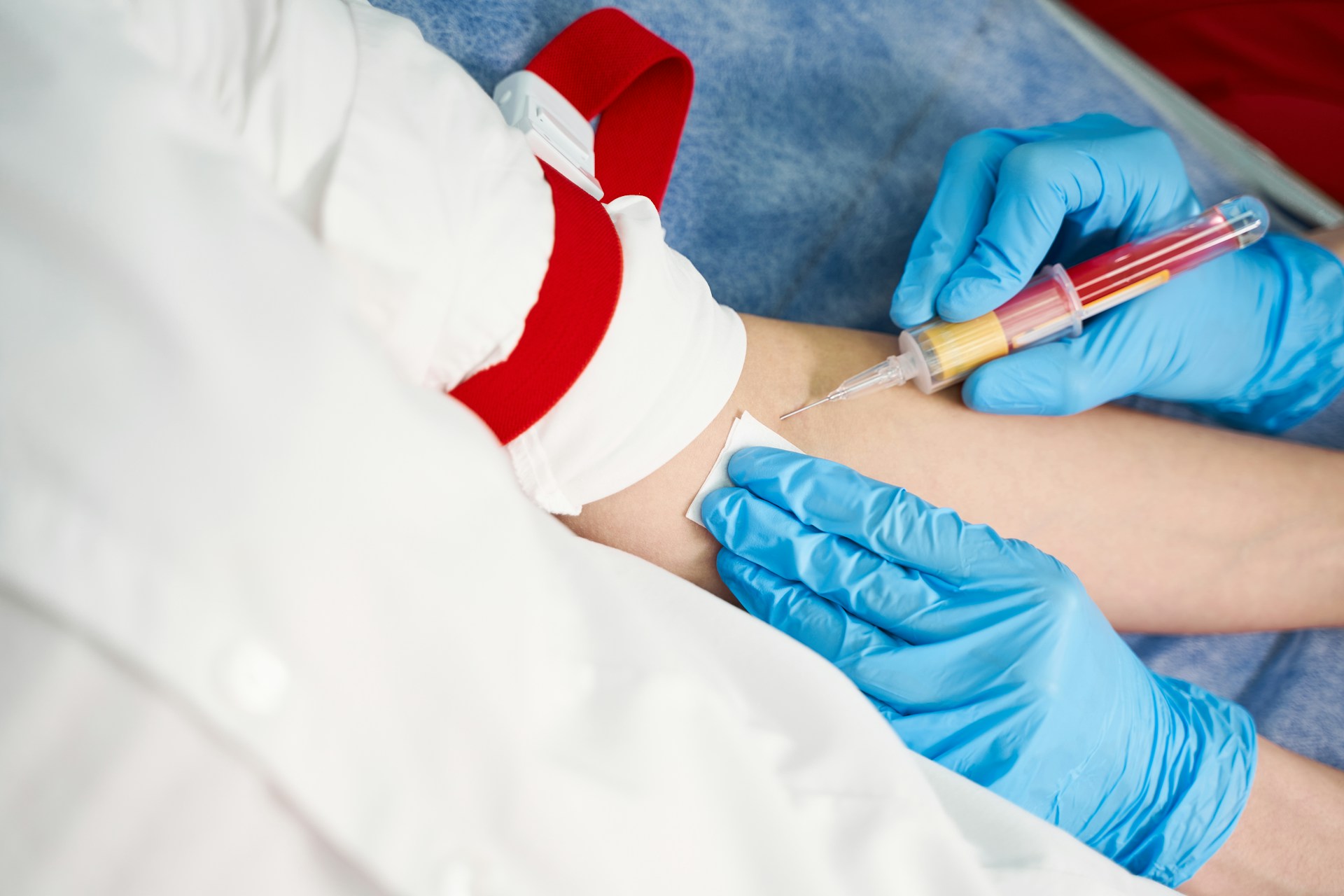
When muscles ache or joints stay sore longer than expected, many people start looking for solutions that don’t involve surgery. Two natural options often come up: PRP and PRF. They sound alike and both come from your own blood, but the way they work, and what you might feel during recovery, can be quite different.
Understanding the difference between PRF and PRP can help you feel more confident when it’s time to talk about pain or healing with a provider you trust. If you’re curious about how your body can bounce back with extra support, learning how these therapies respond to injury, recovery, and inflammation is a good place to start.
PRP stands for Platelet-Rich Plasma. It’s made by drawing a small amount of your own blood and spinning it at high speed in a centrifuge. This separates the parts of your blood and collects a portion that’s rich in platelets.
Platelets play a key role in healing. They carry growth factors that help the body repair tissues and calm inflammation. When injected near a painful joint or soft tissue injury, PRP bathes the area in concentrated healing support. That can mean extra help for tendons, ligaments, or muscles trying to recover from stress or overuse. The PRP protocol at Live Supreme is designed to support natural tissue repair, reduce inflammation, and improve mobility without relying on pain medications, steroid injections, or surgery.
People often turn to PRP when they’ve been dealing with chronic discomfort or want to speed up healing after a setback. It’s considered a natural option since the material comes from your own body and doesn’t involve medication or implants. At Live Supreme, PRP for pain is a minimally invasive treatment performed in a physician-led med spa, typically taking about one hour from preparation through post-treatment guidance. If you’re ready to address your discomfort at the source, schedule your PRP treatment consultation today to see if this healing option is right for you.
PRF, or Platelet-Rich Fibrin, takes a different path, even though it starts with your own blood too. The biggest difference is how the mixture is processed. Unlike PRP, PRF is spun more slowly and without anticoagulants, which allows it to form a soft matrix, almost like a scaffold, that holds things in place.
This matrix is called fibrin. It allows the healing factors to release more gradually over time. Rather than a quick burst of activity like PRP delivers, PRF works in slow waves. That sustained support can make sense when dealing with sensitive or long-term pain concerns.
Because of its subtle, extended release, PRF can offer a gentler approach for people who don't react well to more intense treatments or who need a longer healing runway. The presence of white blood cells and stem cells in PRF also adds to its potential, as they contribute to tissue regeneration in unique ways.
There are a few things to think about when trying to understand the difference between PRF and PRP. Even though both options come from your own blood, the way they work depends on small but meaningful details.
Here are the main differences to keep in mind:
PRP uses a fast spin and separates platelets quickly. PRF spins the blood more gently, keeping more elements like white blood cells and stem cells intact.
PRP includes an anticoagulant and stays liquid in form. PRF does not, so a clot naturally forms, creating a slow-releasing gel.
PRP delivers a fast release of growth factors, usually within a few hours. PRF releases those factors more slowly, often over several days.
PRP is best for quick healing support. PRF may suit recovery that needs a consistent, gentle push.
Depending on your symptoms, goals, and what your provider suggests, either method might be a better fit. One isn’t better than the other across the board, it’s all about how your body responds and what kind of support you’re looking for in the healing window ahead.
Choosing between PRP and PRF often depends on what kind of help your body needs. Some people recover quickly and just want to reduce inflammation. Others may be healing from long-term strain or managing joint discomfort that resurfaces with movement or cold weather.
We often consider things like your daily habits, how long the pain has lasted, and whether you’ve tried other treatments. It’s also helpful to talk about timeline. Are you hoping to bounce back for an event or simply feel better week by week?
Some people prefer PRF because it feels steady and natural. Others want the faster action that PRP can deliver. Both options come without surgery, using your own biology to nudge healing along in a safe, focused way.
Don't let chronic pain dictate your lifestyle. Book your PRP session now and start your journey toward more comfortable, natural movement.
Chicago winters have a way of making everyone feel a little slower. Live Supreme serves clients at locations in Oakbrook Terrace and Park Ridge, Illinois. Cold muscles don’t move as easily, and joint stiffness can make everyday motions feel harder. For anyone dealing with lingering discomfort, the drop in temperature can bring challenges you might not notice during summer.
During these months, the body may not bounce back as quickly from stress or strain. It’s also true that outdoor activity slows, reducing circulation and movement, the two things your joints thrive on. Supplementing your recovery with something that supports internal healing can make a real difference, especially when your routine shifts.
That’s where therapies like PRP or PRF may come into play. Used in the right setting, they can support your body’s pace when everything else feels like it’s moving in slow motion. Working with your own biology, these treatments may help counter the winter slide and keep progress from stalling out altogether.
PRP and PRF are both based on an encouraging idea, that your body has what it needs to heal, and sometimes it just needs a little extra support in the right place at the right time. Knowing how they differ gives you the freedom to make smart, thoughtful decisions as you move through recovery.
Each approach offers its own rhythm. When you understand the difference between PRF and PRP, it becomes easier to ask the right questions, plan ahead with more intention, and work with your body rather than against it. Healing well, especially in the stillness of winter, begins with choosing what's most aligned for you.
At Live Supreme, we support thoughtful recovery for those facing lingering pain or seasonal discomfort in Chicago. Knowing the difference between PRF and PRP helps set the tone for care that matches your pace, preferences, and personal goals. Whether your focus is soft tissue repair or long-term joint relief, we offer medically guided options that align with how your body heals. To take the next step or ask a few questions about your recovery path, reach out to us today to schedule your session!
Published: Jan 21, 2026
